
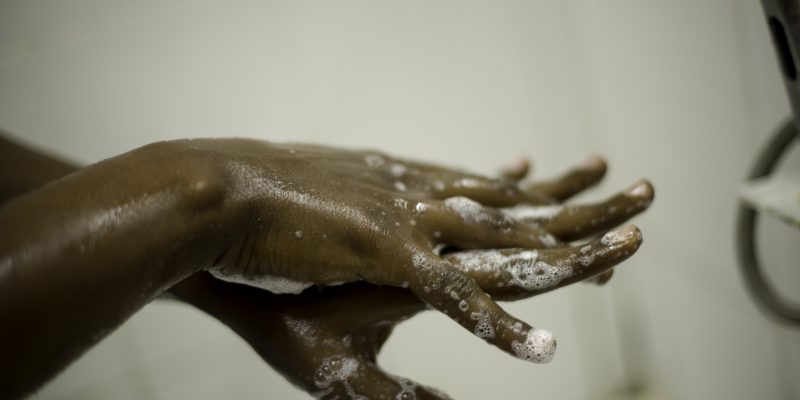
During COVID-19, careful handwashing became a movement. In Kenya, we had handwashing basins practically everywhere, in the marketplace, in churches, at the bus terminus- name it. We did a thorough, proper wash with soap and water, accompanied by a thorough scrub that lasted as long as two rounds of the “Happy Birthday” song. There was no place for a quick splash-and-dash.
In my house, that habit stayed.
Even now, when my kids burst through the door after school or play, they march straight to the bathroom for a proper handwash. Sometimes accompanied by a cheerful one to two rounds of “Happy Birthday” concerts. So if you ever drop by and hear my little ones, including our pandemic baby, singing from behind the door, just know that it is no one’s birthday; the handwashing ceremony is underway.
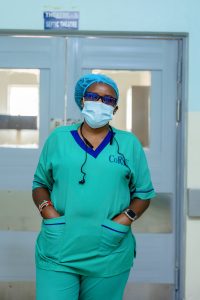
Lourdes inside an OR in Uganda
The only other place I’ve seen handwashing treated with such reverence and seriousness is inside the operating room. As part of my content-gathering work, I sometimes step into operating theatres to see firsthand what safe surgery looks like.
In the OR, hand hygiene is a ritual, and every scrub is intentional. Before surgery, the team meticulously cleans their hands and arms. In this world, clean hands are not just a habit but the fine line between healing and harm.
This matters because one of the most common post-surgery complications is a surgical site infection, which occurs at the site of the operation. These injuries can cause a delay in healing, keep patients in the hospital for long, increase treatment costs, and in severe cases, lead to death.
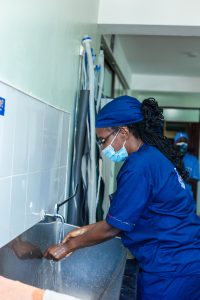
A surgeon washing her hands before a surgery
Hand hygiene, therefore, is a frontline defense against harmful germs before, during, and after surgery. But it is only one part of the bigger picture. Preventing surgical site infections requires a system that includes clean hands, clean instruments, the right antibiotics at the right time, proper skin preparation, a sterile surgical field, safe gauze counting, and strong teamwork, using tools such as the Surgical Safety Checklist.
This is the kind of systems approach promoted by Lifebox’s Clean Cut program, which supports surgical teams in strengthening infection prevention practices in operating rooms. Clean Cut focuses on practical standards that help reduce preventable infections and make surgery safer for patients, especially in low-resource settings.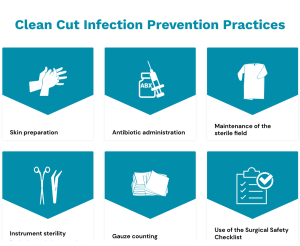
Every year on 5th May, we celebrate World Hand Hygiene Day. This day is not just about reminding people to protect themselves from everyday infections. It is also a reminder that, in the operating room, hand hygiene is a patient safety issue.
So go ahead, keep the birthday song echoing at the sink- like my kids. It may seem simple, but clean hands are still one of our most powerful shields against infection, from home to hospital.
What is your reaction?